Plan the Whole Picture
Look at traffic, intersections, runoff, utilities, sidewalks, schools, and emergency-service capacity together before major development is approved.
South Huntsville is growing, but growth by itself is not the goal. These six priorities set a clear standard for every project, budget, and vote affecting District 3.
Pillar One
Growth is welcome when the roads, water, sewer, drainage, utilities, schools, and public-safety capacity are ready for it. New development should help pay for the demands it creates instead of handing established neighborhoods the bill later.
Look at traffic, intersections, runoff, utilities, sidewalks, schools, and emergency-service capacity together before major development is approved.
Identify needed improvements, their cost, and who is responsible before construction begins. Taxpayers should not inherit avoidable costs after the fact.
Development standards should be objective, understandable, and applied consistently so residents, builders, and city staff know exactly what is required.
Protect Our Slopes & Green Space
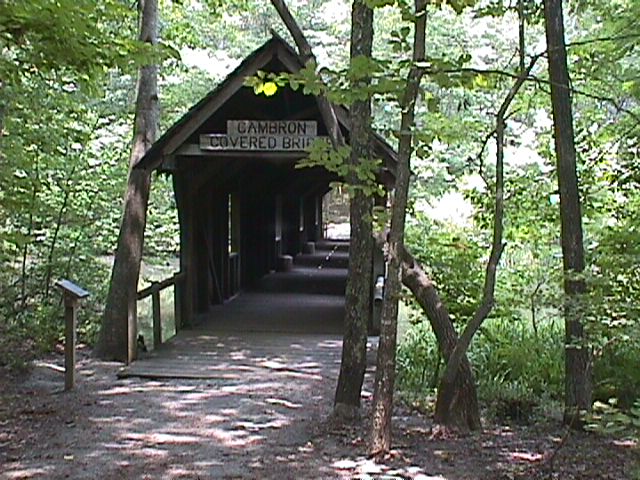
Green Mountain, our ridgelines, mature trees, and connected green space are part of what makes South Huntsville worth protecting. When a protected slope is clear-cut, the consequences move downhill through runoff, erosion, damaged roads and storm systems, and flooded homes.
Pillar Two
Residents should be able to drive, walk, bike, and live on their street without unnecessary risk. That means well-paved roads, sensible engineering, visible patrols, safe crossings, good lighting, and first responders who have the people and resources to do the job.
Use radar feedback signs, coordinated signals, medians, street trees, and other proven designs that make the safe speed feel natural. Pair better design with focused patrols on the streets where speeding is a persistent problem.
Address worn pavement, faded markings, unsafe shoulders, damaged sidewalks, dark intersections, and crossings that leave pedestrians exposed. Street safety begins with taking care of the basics.
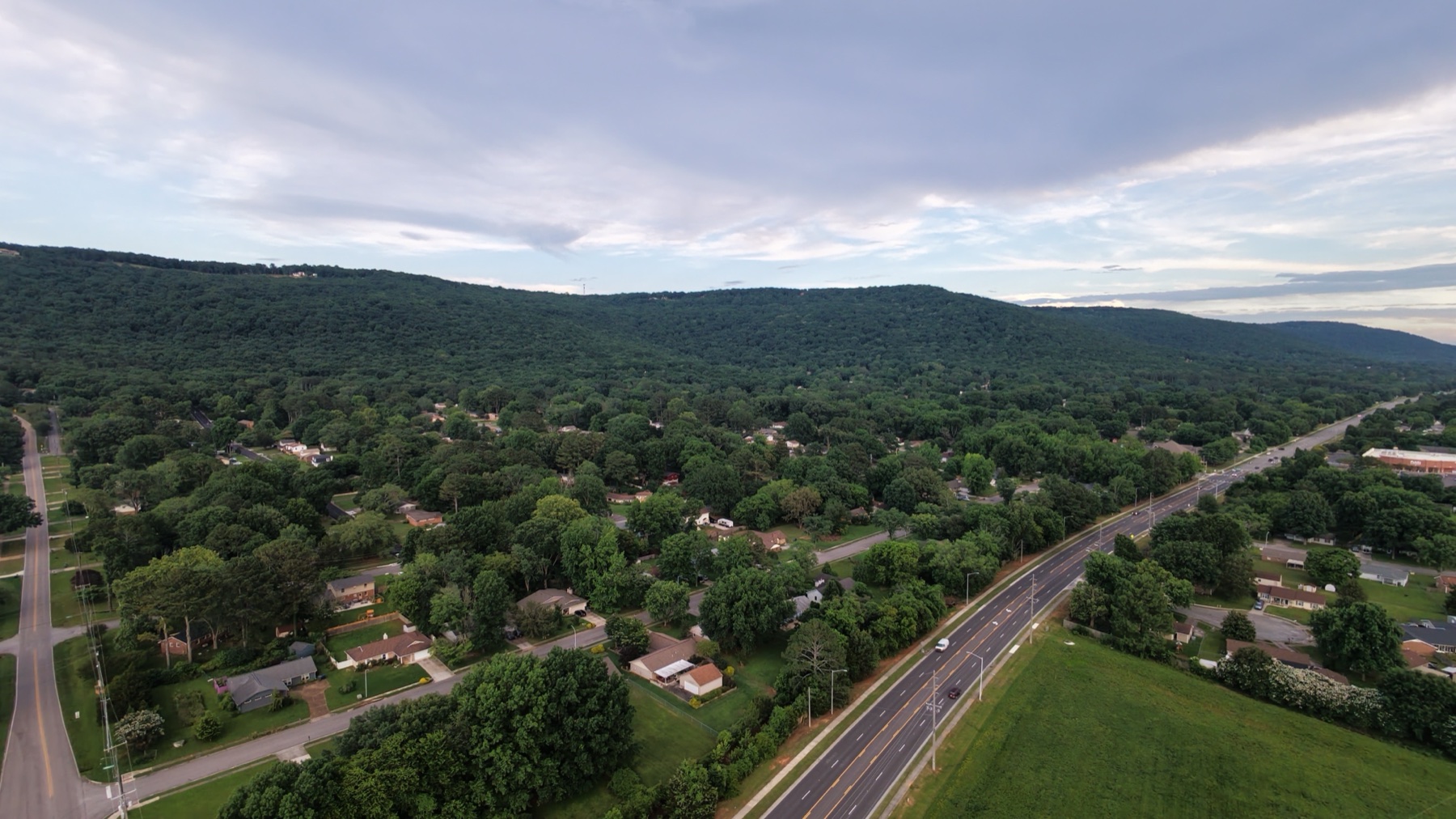
Use honest traffic counts, coordinated signals, and adequate turn-lane capacity on corridors such as Cecil Ashburn, Bailey Cove, Weatherly, and South Parkway. Growth that adds traffic should include a plan to carry it.
Ready When It Matters
Police, fire, EMS, and dispatchers do demanding work every day. As Huntsville grows, City Council should listen to department leaders and front-line personnel, review staffing and response data, and make responsible decisions about the people, training, equipment, and facilities public-safety departments need.
Pillar Three
A strong community is more than houses and streets. It is the relationships among neighbors, schools, parks, libraries, teams, volunteers, local institutions, and the places where people gather. Rebuilding that connection after COVID takes intention and opportunities to participate.
City Council does not run the schools, but the City can be a strong partner through safe routes, infrastructure, recreation, public safety, facility coordination, and connections with employers and community organizations.
Support neighborhood associations, volunteer projects, libraries, youth sports, community events, and welcoming public spaces where people can meet one another and solve local problems together.
Listen to seniors, veterans, Redstone and military families, parents, young people, and longtime neighborhood volunteers. A connected community makes room for all of them.
Your Voice Matters
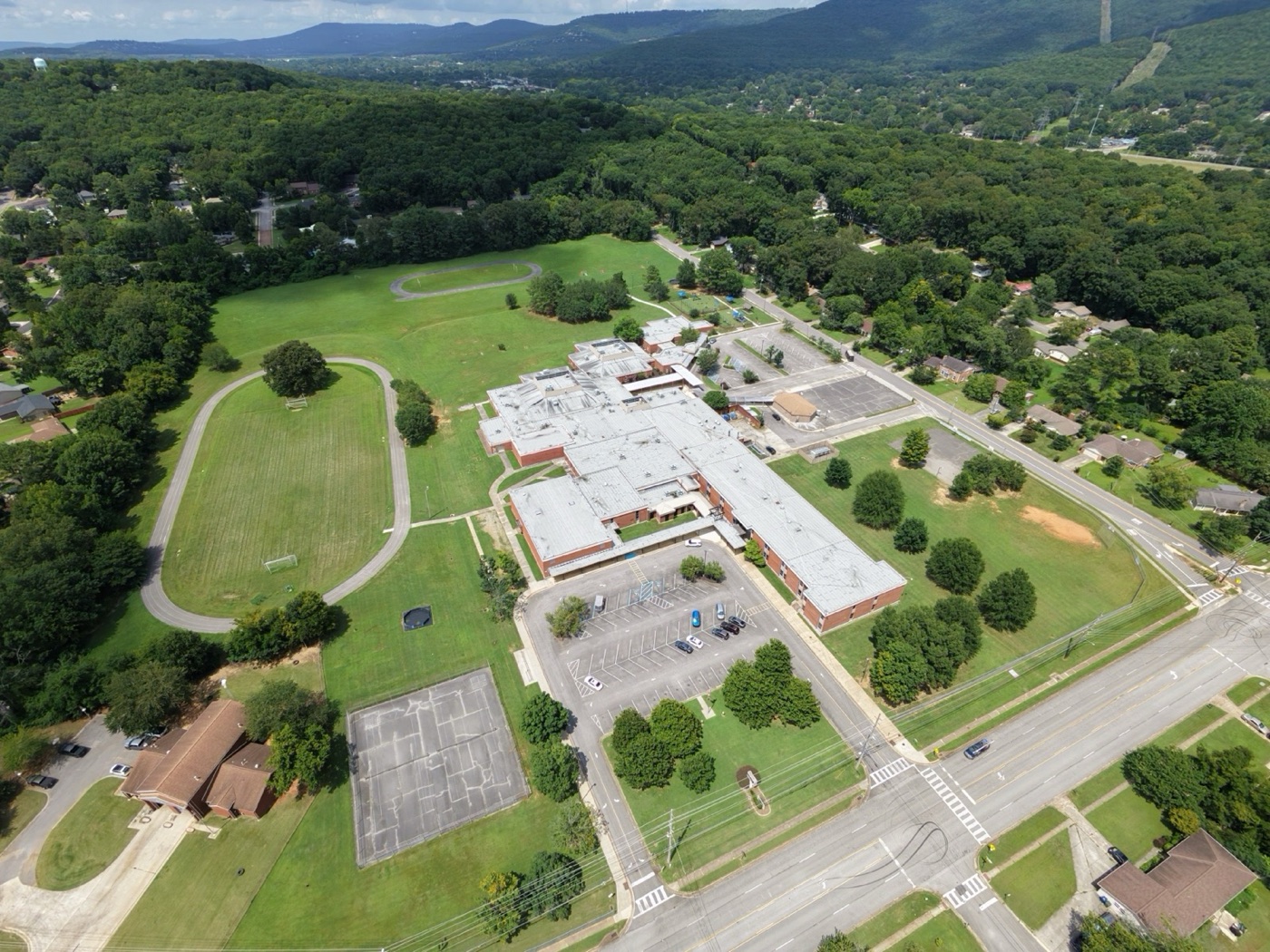
Strong communities listen before decisions are made. Tell us what matters most to your family and what you want city and school leaders to understand about Mountain Gap.
Take the Mountain Gap School PollPillar Four
South Huntsville should be a priority for investment, not an afterthought. We can renew aging commercial areas, fill empty storefronts, support the businesses already here, and recruit more of the dining, shopping, and services residents want close to home.
Work with property owners and economic-development partners to put vacant storefronts and aging commercial sites back to productive use.
Use community input to help identify restaurants, shops, services, and missing experiences South Huntsville residents would support. Then turn those preferences into a serious, South Huntsville-first recruitment effort.
Make it easier for existing and locally owned businesses to succeed through clear processes, good access, visibility, attractive public spaces, and a City that treats them as partners.
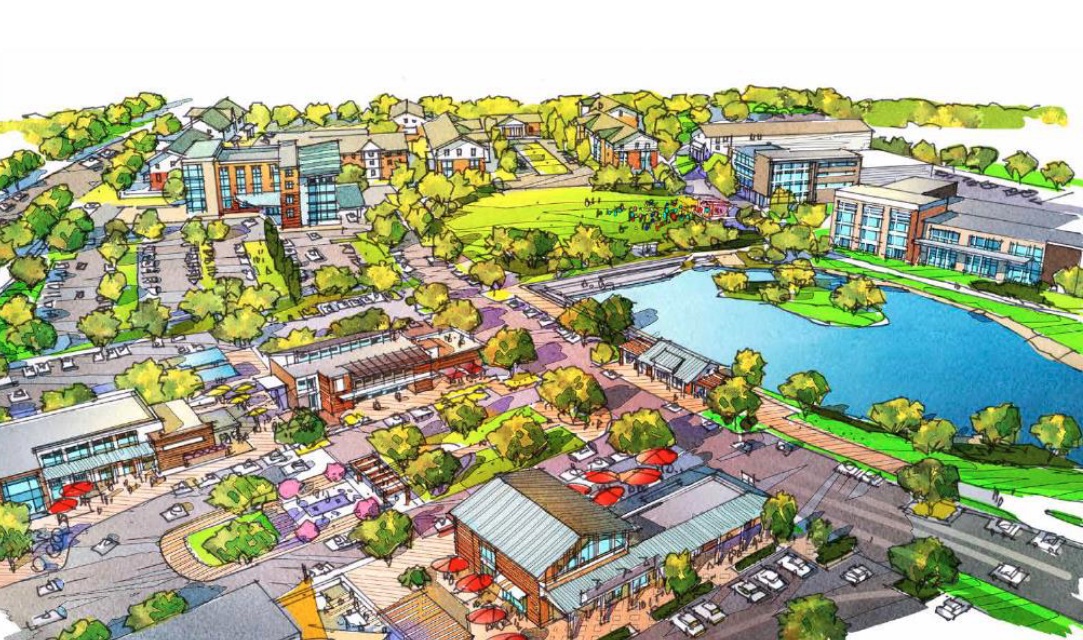
Worth the Trip
Successful revitalization is more than filling a lease. It creates welcoming places with good lighting, landscaping, safe access, and a mix of businesses that give residents a reason to stay close to home.
Pillar Five
Residents already paid for our roads, sidewalks, drainage systems, parks, greenways, ball fields, landscaping, and public facilities. Taking care of those investments should come before the next ribbon cutting. Routine maintenance costs less than neglect.
Stay ahead of paving, potholes, sidewalks, drainage, lighting, landscaping, litter, and worn public facilities instead of waiting for small problems to become expensive ones.
Maintain parks, trails, greenways, ball fields, playgrounds, and recreation facilities. Address graffiti, vandalism, and neglected landscaping as the quality-of-life problems they are.
Let residents see what is scheduled, what is delayed, what it will cost, and when it will be finished. Established neighborhoods deserve the same attention as new developments.
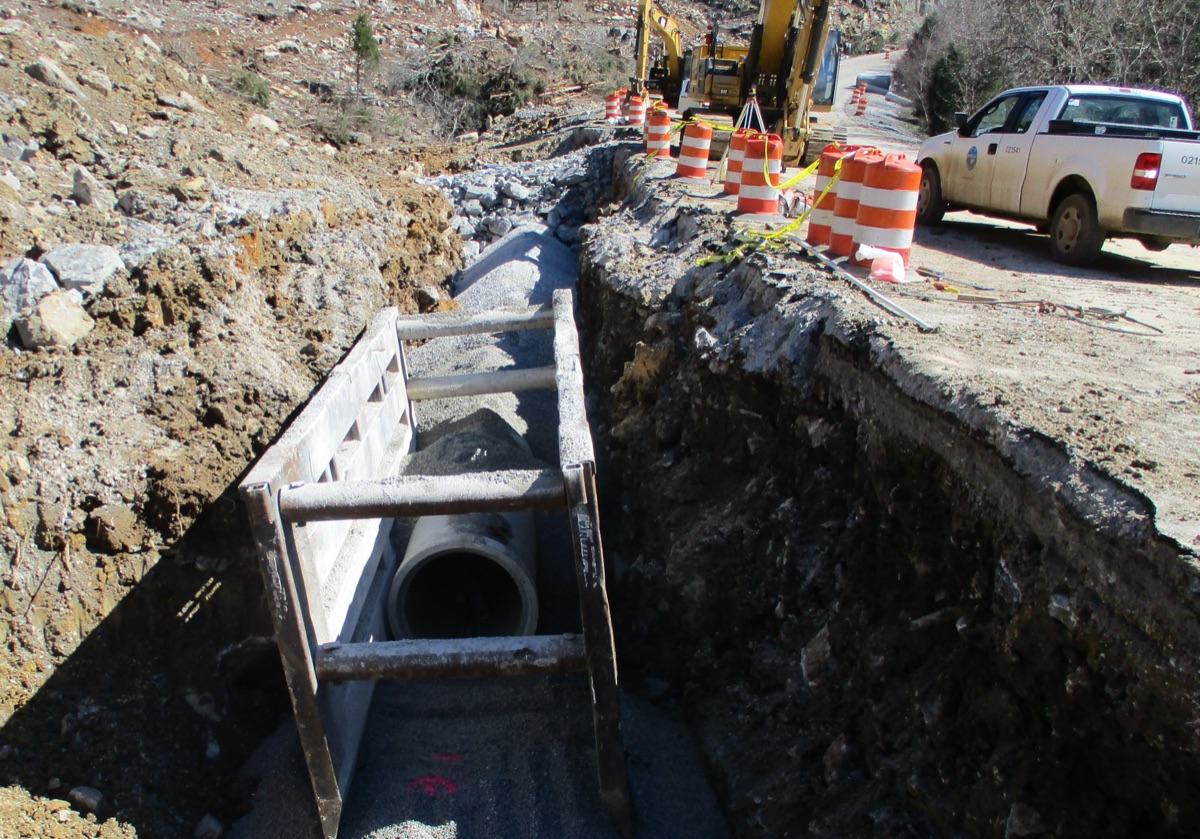
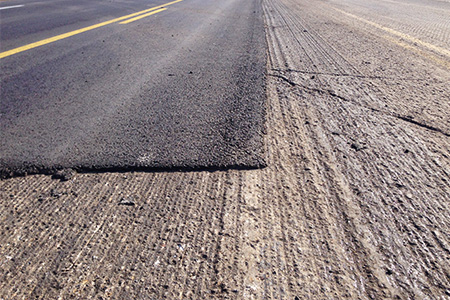
Maintenance Before Ribbon Cuttings
Maintenance is not glamorous, but it is one of the clearest tests of whether city government is doing its job. A small repair handled today should not become a major replacement project charged to taxpayers tomorrow.
Pillar Six
City government should work for residents, not the other way around. The standard is simple: listen first, return calls and emails, explain decisions, apply the rules consistently, publish progress, and show the math.
Hold useful conversations inside District 3, ask residents what is working and what is not, and take neighborhood knowledge seriously before decisions are made.
Return calls and emails, give each concern clear ownership, and keep residents informed until they know what happened—even when the answer is not the one they hoped for.
Explain major votes, project costs, funding sources, schedules, and results in plain language. Public money deserves public arithmetic.
Results Over Process
Publish progress, use technology sensibly, eliminate needless duplication, and make departments work together. A process should serve residents—not survive simply because it has always been there.
This campaign is neighbor-funded and accepts no PAC or developer money. When a slope-ordinance vote or rezoning request comes before the council, residents deserve a representative whose obligation is to the people who live here.
Follow Along
Facebook, Instagram, YouTube, TikTok, X, Nextdoor — follow the one you use.
Like. Share. Subscribe.
Here's how you actually move the needle: every like, share, and comment teaches the platform to put me in front of more of your neighbors — for free. One share to your own feed reaches people no yard sign ever will. So don't just follow — share it with a neighbor who votes in District 3. That's how we out-punch a bigger budget.